An event programme is far more than just a list of names and times. It provides context, builds anticipation and helps the audience find their way around. The most classic example is the theatre programme: it introduces the play, presents the director and cast, and provides background information on the production. The same principle applies to concerts, festivals, town fairs and conferences. With Novamag, you can create a professional, digital programme for each of these formats that works on any device.
What should an event programme include?
Whether it’s a theatre programme or a town festival booklet – a good event programme follows a clear structure.
Schedule & Programme
What’s happening and when? A clear programme overview is at the heart of every booklet. For a theatre programme, this is the sequence of scenes; for a festival, it’s the stage schedule with timings.
Cast & Biographies
Who’s on stage? Short biographies with photos add a personal touch to the programme. In a theatre programme, these include the director, dramaturg, set designer and cast. For concerts, they include the soloists or the orchestra.
Background Information & Introduction
A theatre programme always includes an introduction to the play: the plot, historical context and the director’s vision. This helps the audience gain a deeper understanding of the performance and is often the section that is read at greatest length.
Advertising & Sponsors
Many programmes are funded through advertising pages. With ‘ Novamag ’, advertising space can be neatly integrated into the layout without compromising the design.
Practical Information
Cloakroom, interval, catering and directions are essential parts of any comprehensive event programme.
Start your theatre programme with a complete project template - including layout, page structure and design. Simply adapt the colours, fonts and content to your ensemble, production or brand and turn it into your very own digital programme booklet.
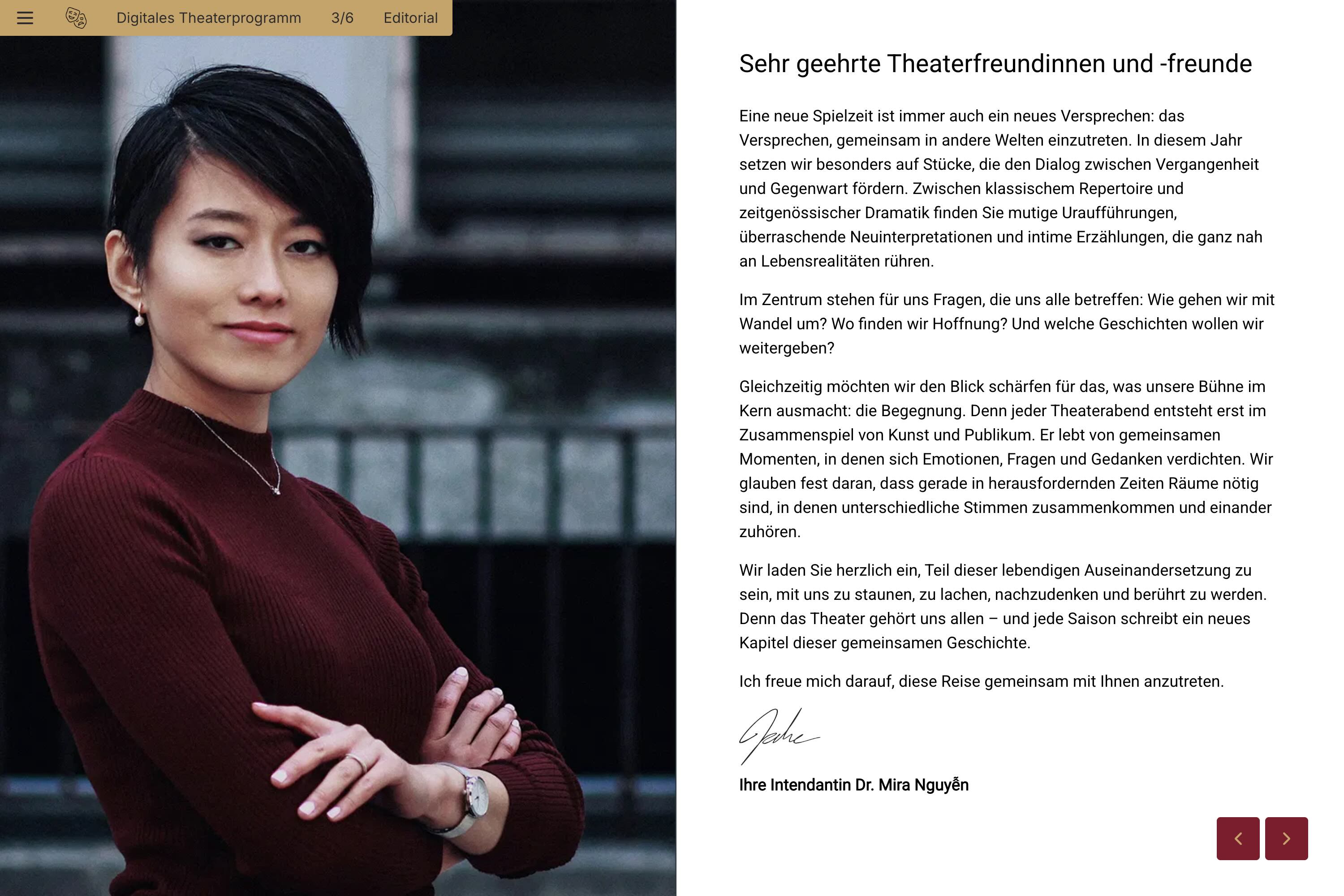
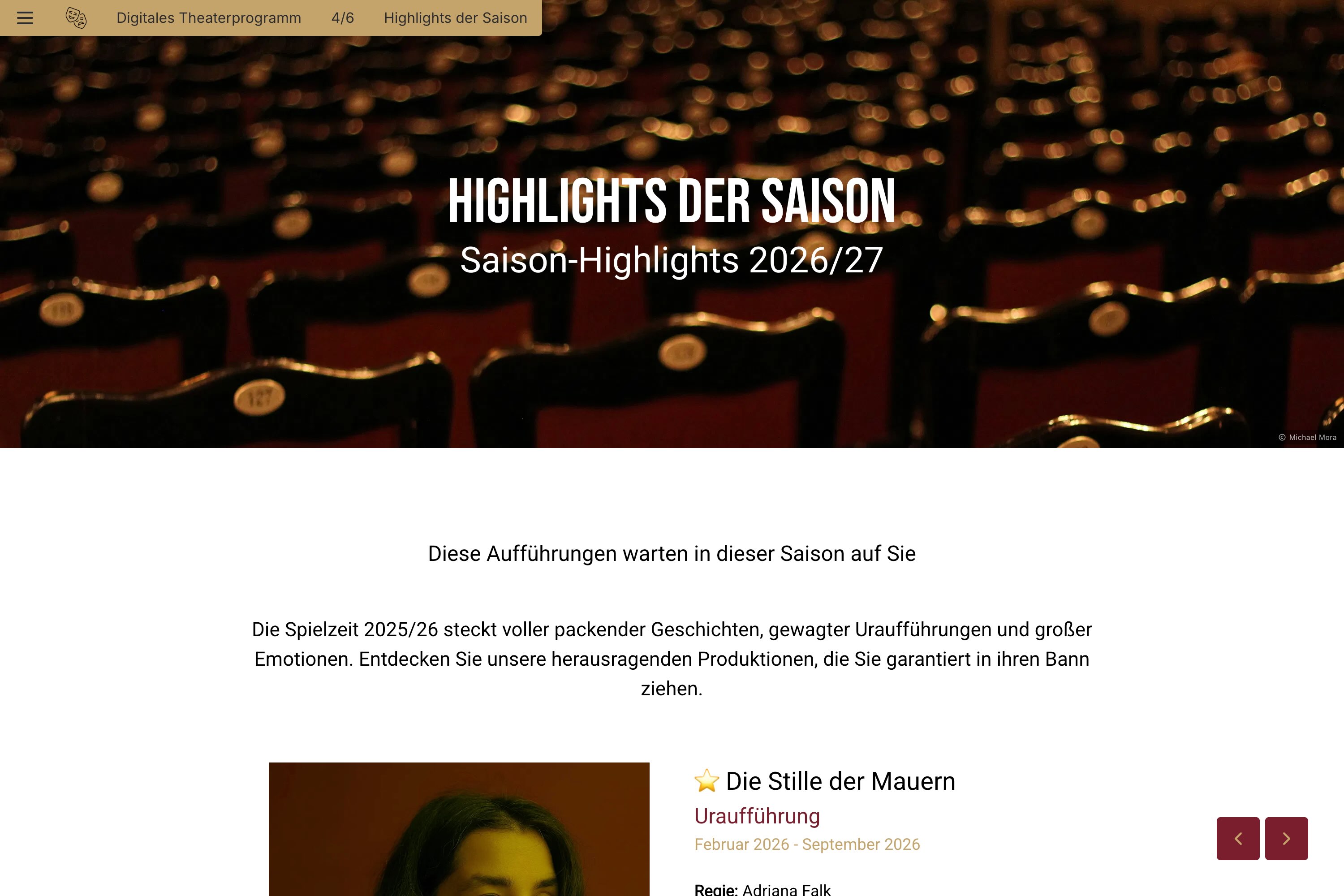
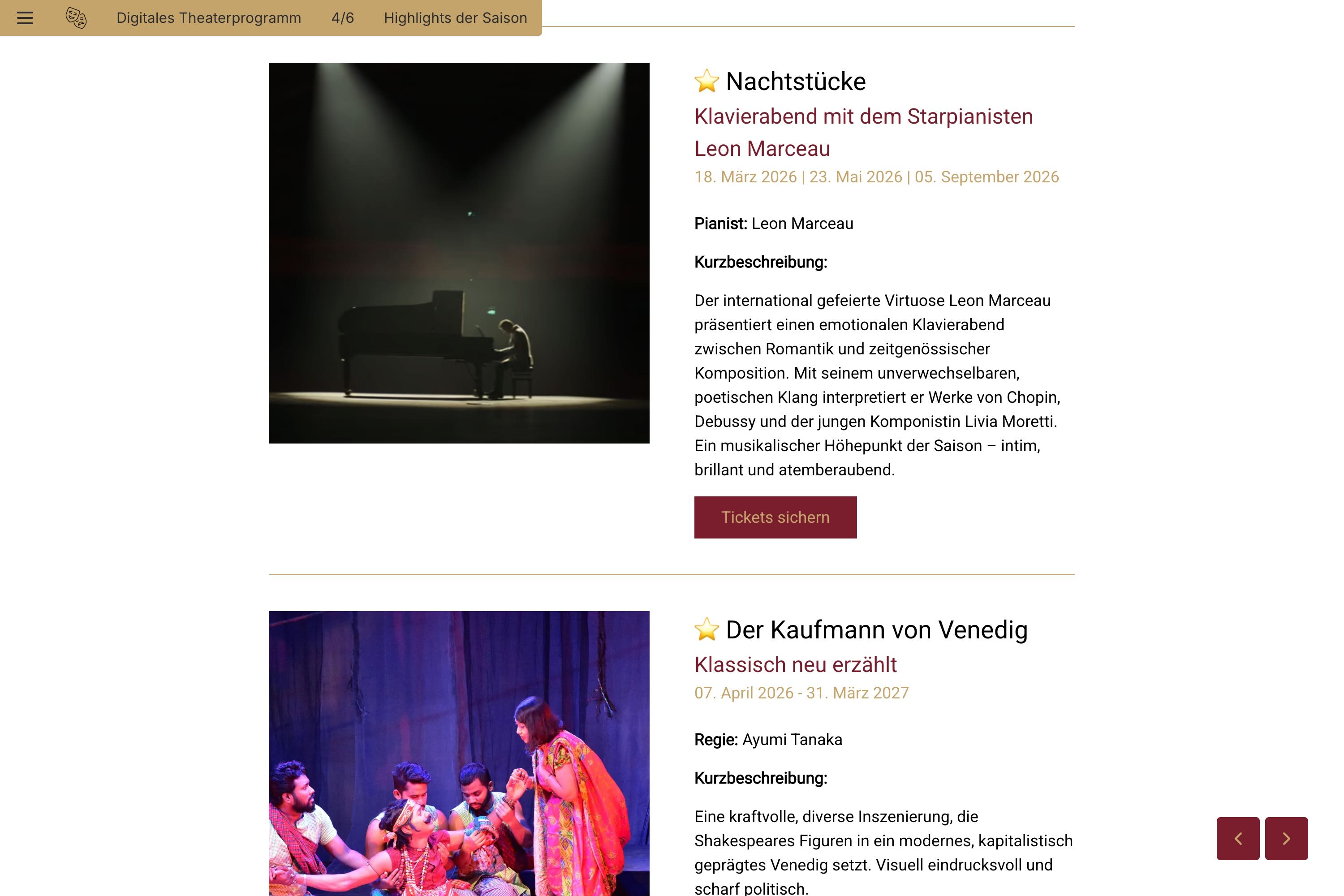
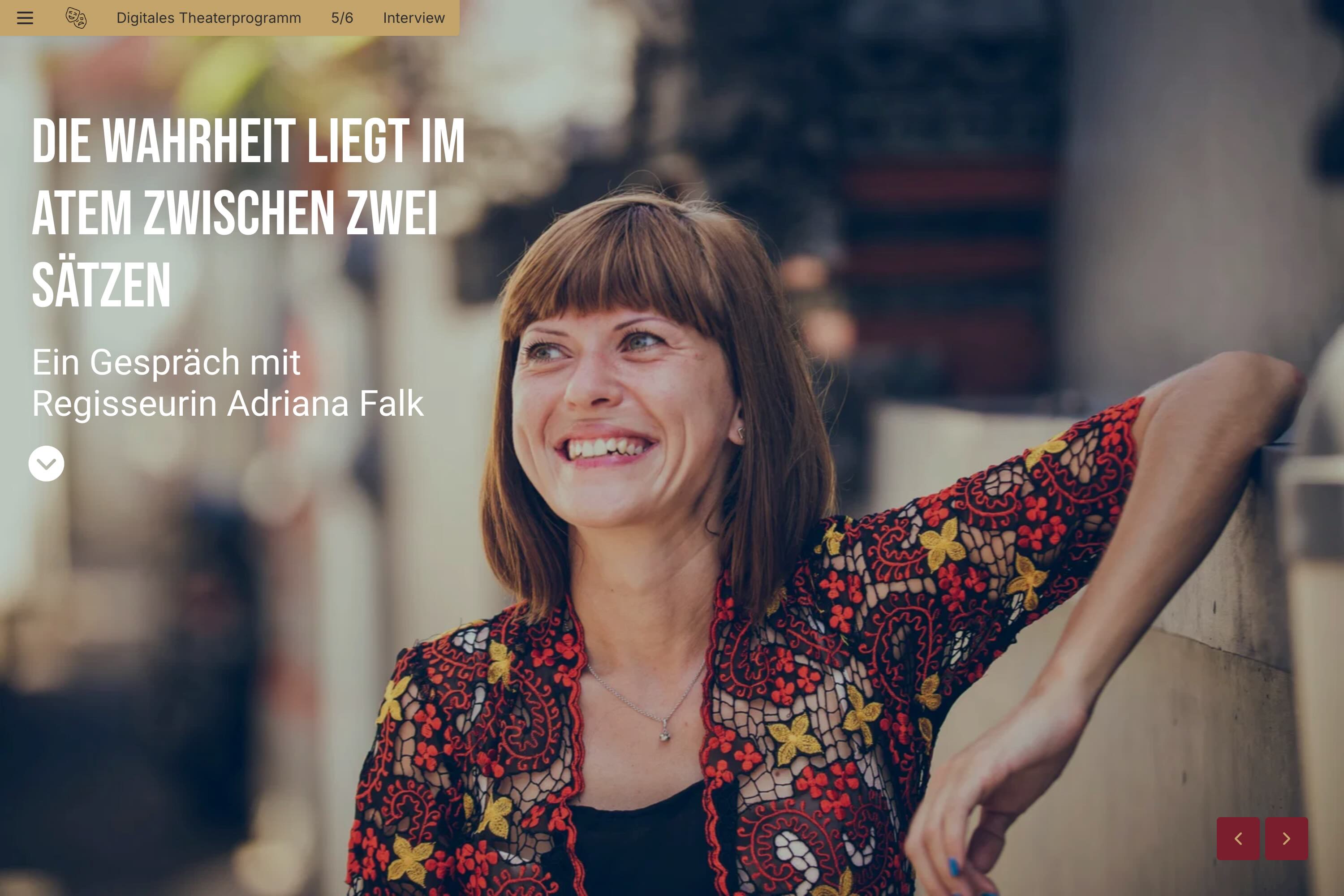
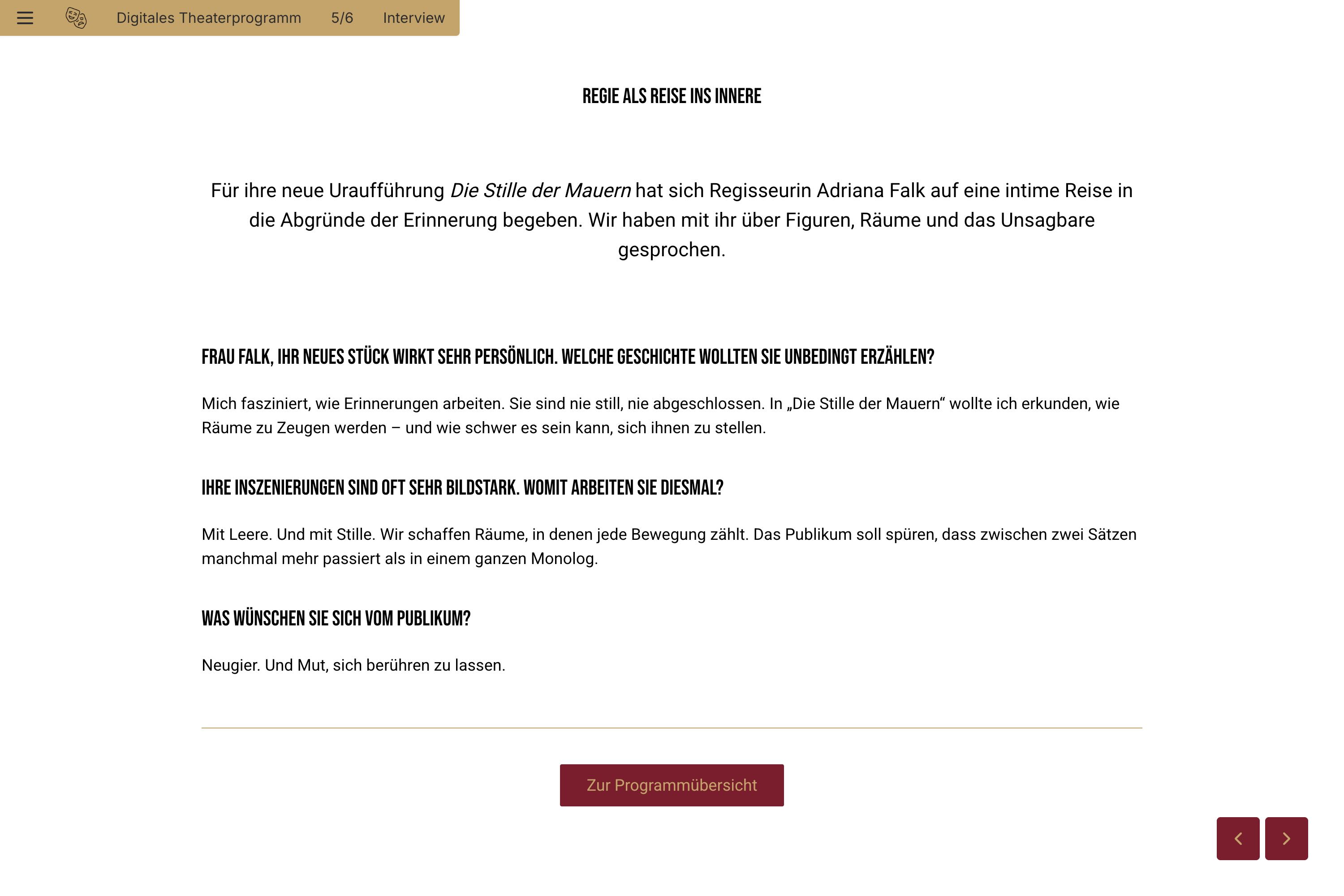
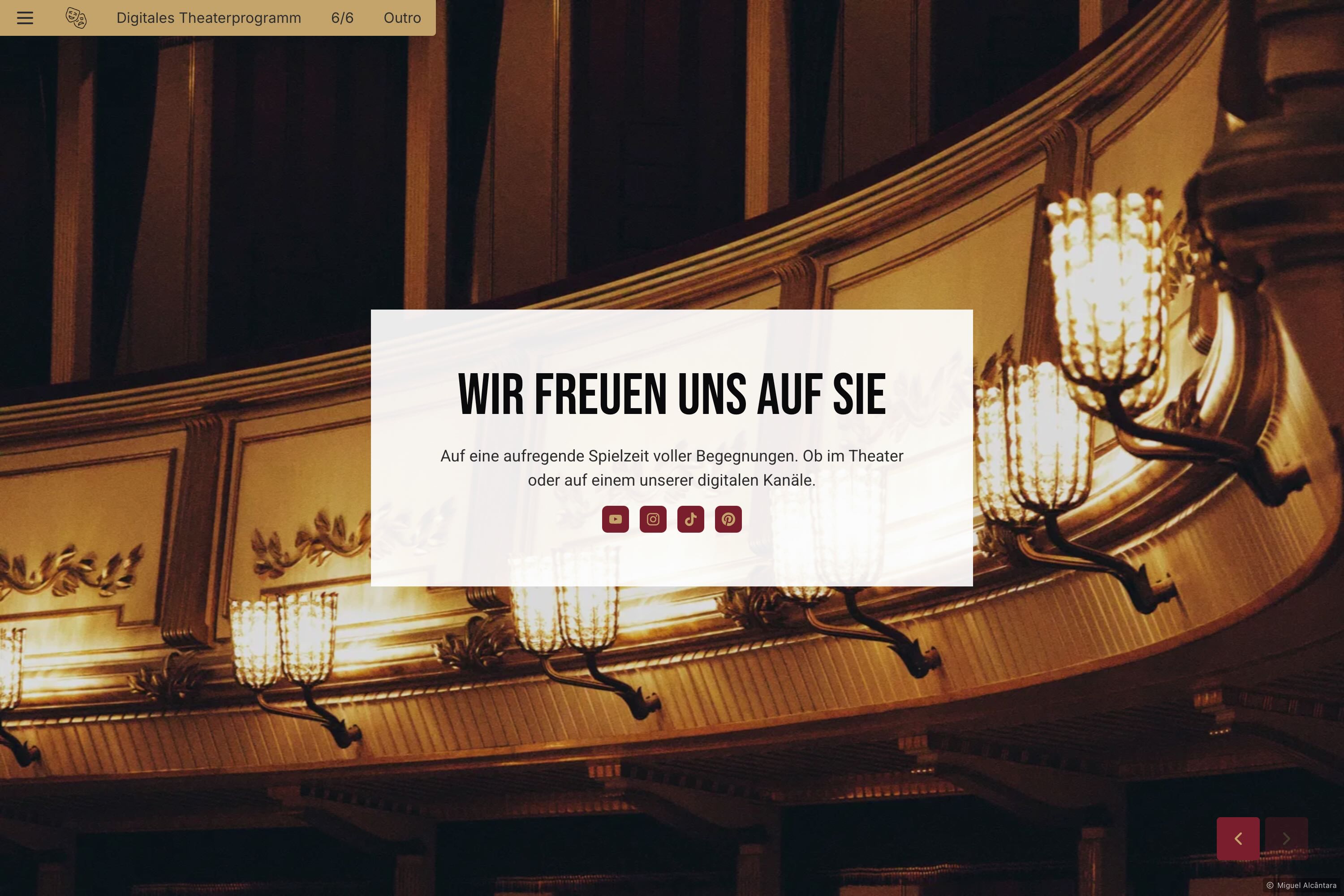
Creating a theatre programme – here’s how it works with Novamag
The traditional theatre programme has a long history as a printed booklet. However, printed booklets are expensive to produce, cannot be updated once printed and often end up in the bin after the performance. A digital theatre programme solves these problems without compromising on quality.
With Novamag, you can get started with a ready-made project template, customise the layout, colours and fonts to suit your ensemble or production, and publish the finished programme online with a single click. Guests can access it on their smartphones via a QR code, with no download required. You can make changes to the cast or programme in real time. Our feature overview.
Start your theatre programme now with our template
With Novamag you create your digital theatre programme to present your productions, performances and stage stories - inspiring, informative and with attention to detail.
Further references for digital magazines
Novamag offers a wide range of options for bringing content to life digitally. Take a look at our references and be inspired by our digital magazines.
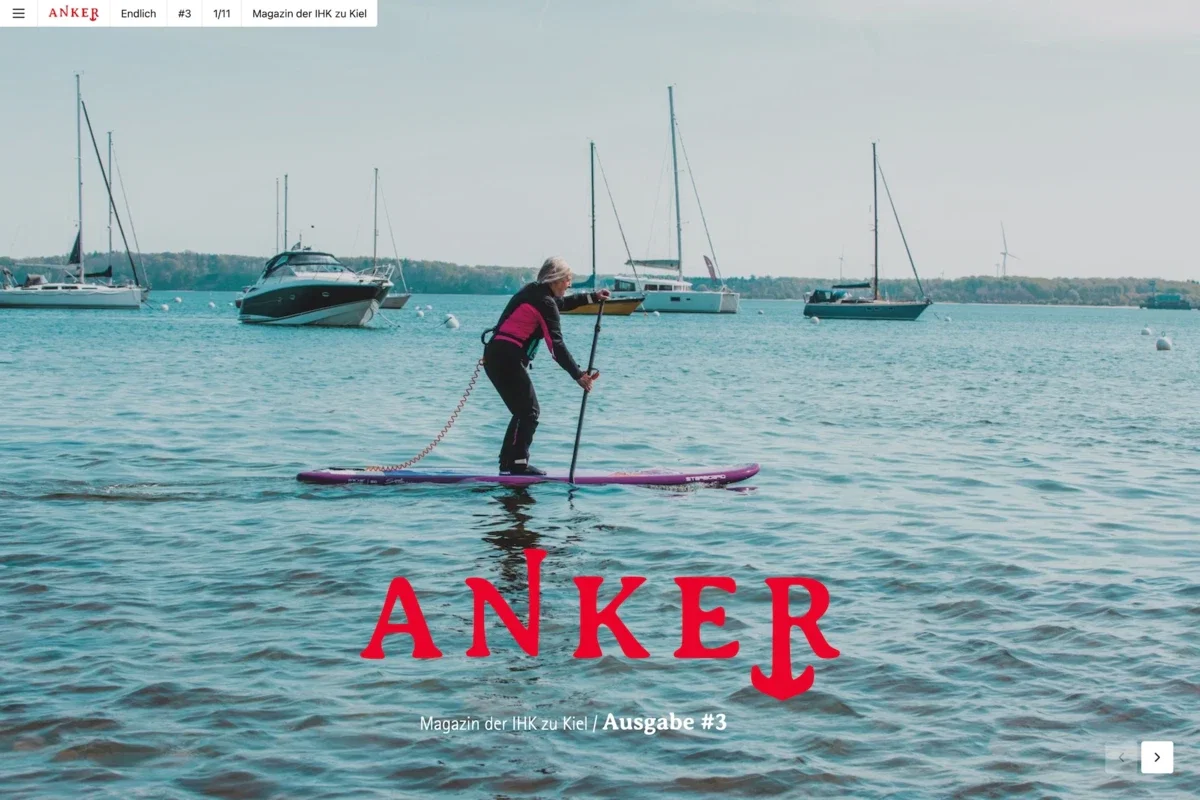
IHK Kiel
Anchor
Novamag is the content marketing tool that combines design, functionality, marketing and state-of-the-art technologies. Increase your reach and conversion more easily than ever before.
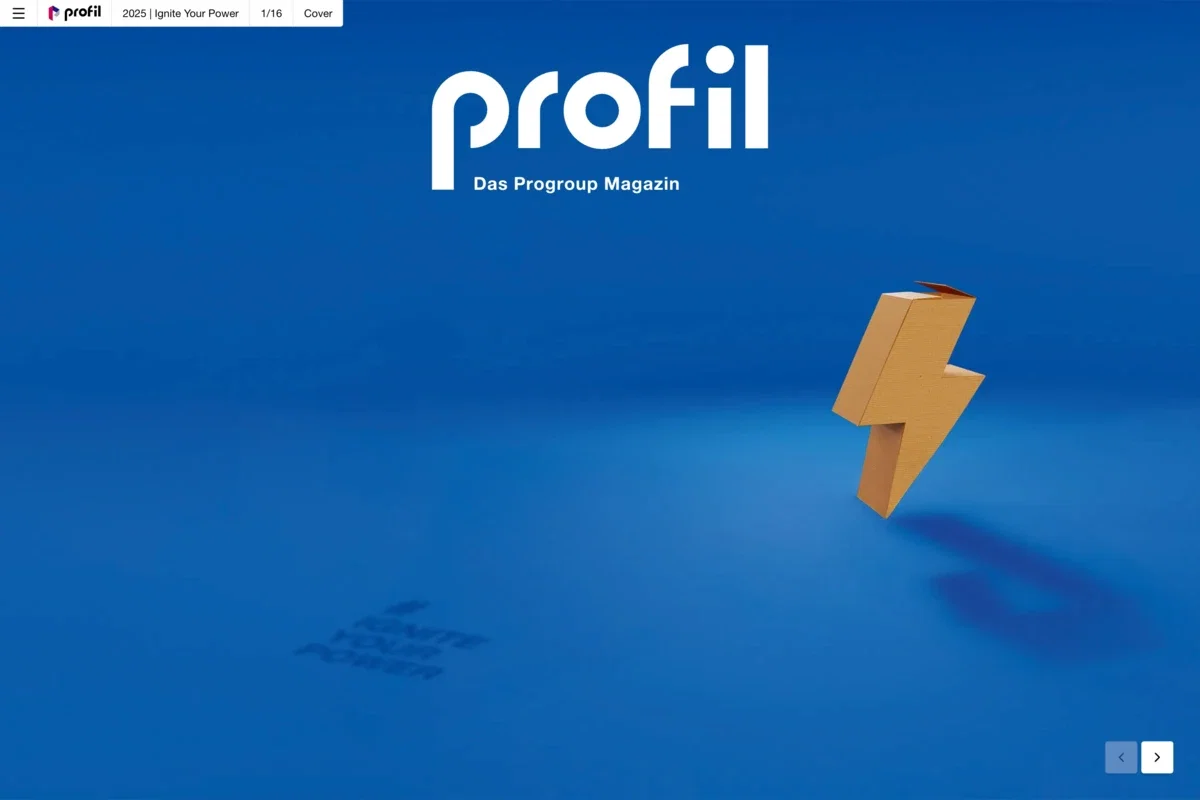
Progroup
profile
That’s what this new issue of the corporate magazine PROfil is all about: under the theme ‘Ignite your Power’, you’ll find out more about the power that emerges when a spark of inspiration turns into real momentum.
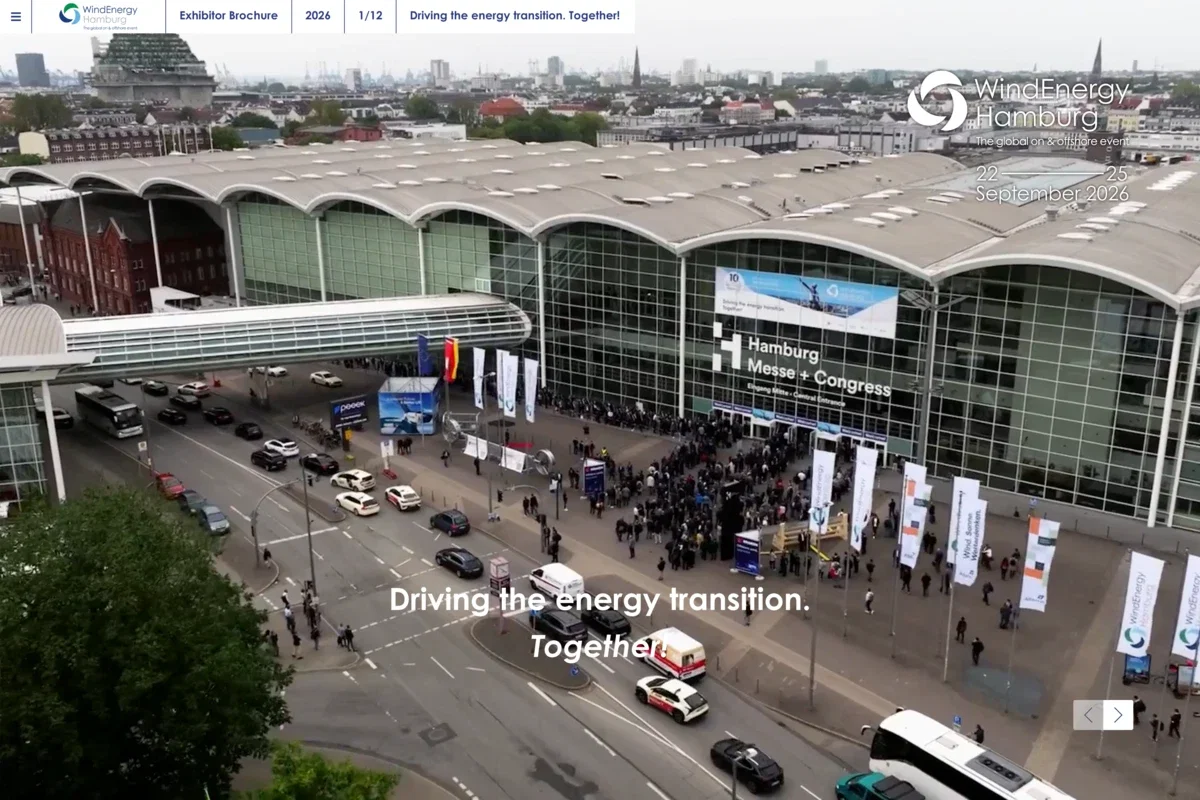
WindEnergy Hamburg
Exhibitor Brochure
WindEnergy Hamburg is the leading trade fair for the wind energy sector, where international experts spend four days showcasing the latest technologies for onshore and offshore wind power.
What sort of events is a digital programme suitable for?
Novamag It is used for a wide variety of formats. Theatres and opera houses use it to create traditional theatre programmes featuring introductions to the works and cast lists. Concert halls and orchestras use them for concert programmes featuring information on composers and descriptions of the pieces. Festivals and town fairs use them for multi-page event programmes with stage plans. Conferences and conventions use them to design programme booklets featuring speaker biographies and session overviews.
Anyone planning other publications alongside event programmes will find further formats at Novamag: for example, the customer magazine, the sales brochure or the annual report.
Do you need help with copywriting and design? Our Content Service will take care of the implementation for you.
Questions and answers on digital theatre programmes
Everything you need to know about the creation, content, benefits and tools for digital theatre programmes.
A theatre programme is an information booklet or a digital overview of a theatre performance. It contains important information about the play, the actors, the production and often also background knowledge about the plot.
A theatre programme helps the audience to better understand the performance. It provides background information, introduces the performers and provides orientation during the theatre visit.
A theatre programme is usually created by the theatre itself or by the production management. Dramaturgs, designers and marketing teams often work together to create the content.
Typical contents include the plot of the play, information about the author and director, a list of the actors, photos of the production and sometimes interviews or background texts.
It makes it easier for the audience to understand the performance and ensures that the plot can be better categorised. It also increases interest and anticipation of the play.
Yes, many theatres now also offer their programmes online, for example as a PDF or on their website. Some theatres even use apps or interactive digital programmes.
It often begins with the title of the play and a picture, followed by a short synopsis, the cast list and background information. At the end there are often acknowledgements or notes on the theatre.
Pictures help to give an impression of the production and make the programme clearer. They often show scenes from the play or portraits of the actors.
They provide orientation, deepen the understanding of the play and make the theatre visit more interesting overall. They are also often a nice reminder of the performance.
One disadvantage is that they are sometimes only read briefly before or during the performance and are hardly used afterwards. Printed programmes can also be expensive to produce.

Inspire your readers
Novamag test free of charge
Create unique digital magazines with little effort. Novamag offers you all the tools you need to inspire your readers with your content.